From 21 to 24 September 2026, representatives of Latvia’s LIFE-IP LatViaNature project visited Lithuania to learn about the country’s protected areas system, the activities of the LIFE-IP Naturalit project, and the habitat management approaches applied through the project. The programme included visits to sites in Dzūkija and Žemaitija National Parks where NATURALIT project activities are being carried out.
“We have a little more than a year left to fully implement the activities planned under the project and bring it to completion. We are glad to share the experience we have gained and the results we have achieved with colleagues implementing similar activities in other countries. Sharing our experience also helps us appreciate how much we have already accomplished and how encouraging the results of the project are,” said Rasa Ledzinskienė, Head of the NATURALIT project.
Exploring Lithuania’s nature conservation system
The visit provided an opportunity for Lithuanian and Latvian nature conservation specialists to exchange experience, learn about NATURALIT activities, visit project sites, and discuss practical aspects of nature conservation.
The Latvian delegation began its visit in Vilnius. At the Environmental Projects Management Agency (EPMA), the visitors were introduced to the agency’s investments and core roles, and the nature conservation projects being implemented. They also learned about Lithuania’s nature conservation policy and current achievements in nature conservation. The discussions focused not only on individual projects, but also on the broader context in which nature conservation measures are planned and implemented.
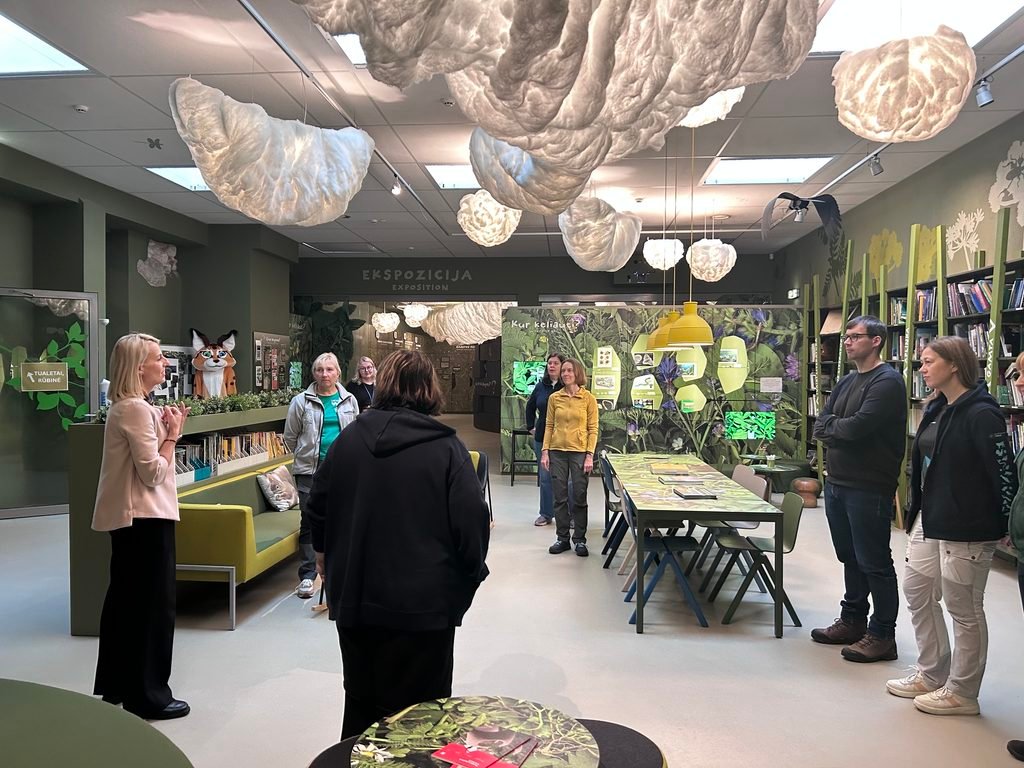
The delegation also visited the National Visitor Centre of the State Service for Protected Areas. The visit provided an opportunity to learn more about Lithuania’s protected areas system discuss current issues and problem solutions.
Dzūkija: habitat restoration, grazing and controlled burning
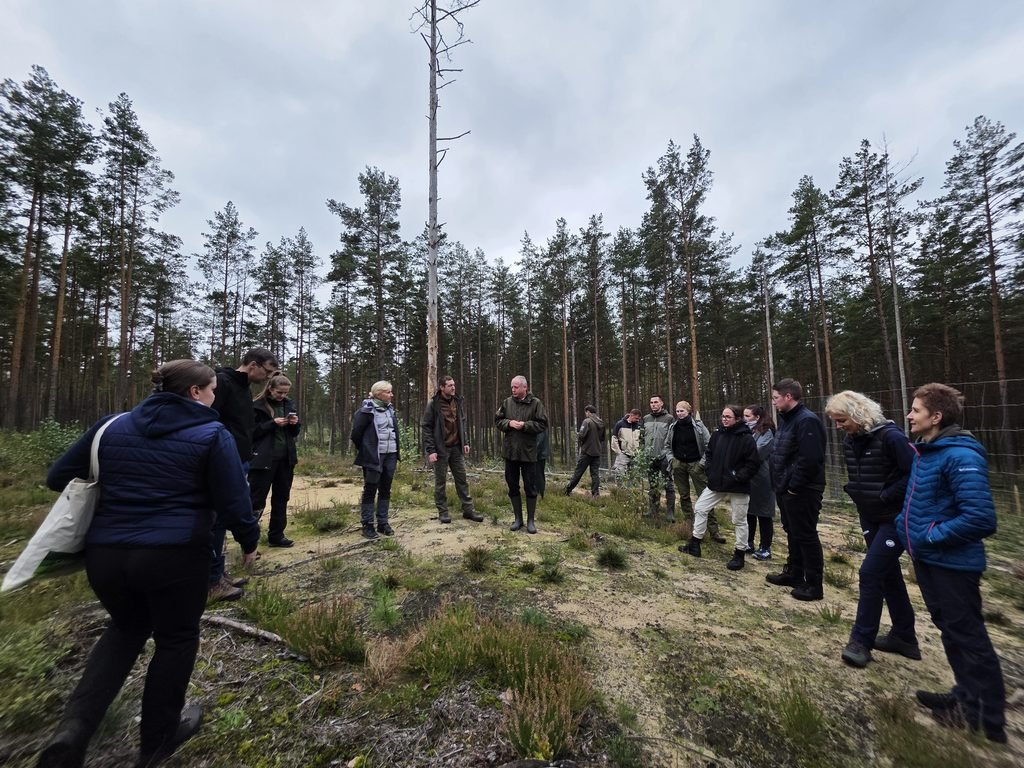
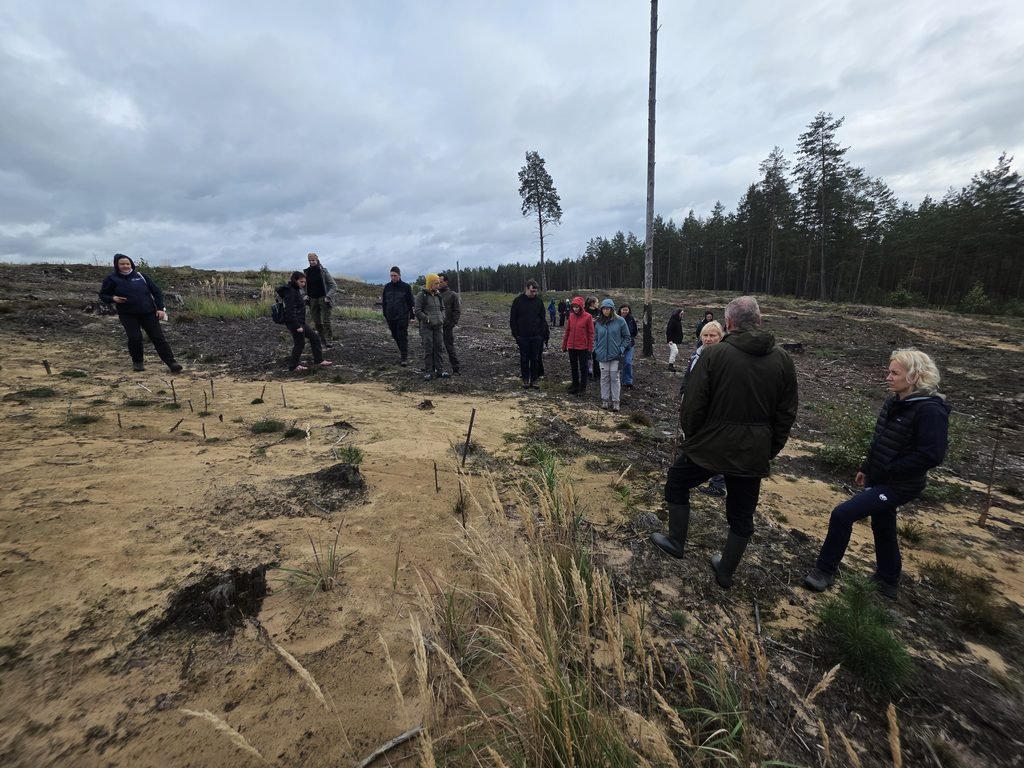
The Latvian specialists then visited Dzūkija National Park and several NATURALIT project sites. In the Marcinkonys area, they learned about the restoration of open habitats and visited a site where controlled burning had been carried out as a habitat management measure.
The delegation also visited the Marcinkonys Visitor Centre and the Čepkeliai Strict Nature Reserve. In the Pagrūdžiai area they had a look at grazing activities being implemented as part of a NATURALIT project initiative.
The programme in Dzūkija also included visits to the Musteika Beekeeping Museum and the European bison enclosure in Stegaliai. These visits gave the guests an opportunity to explore not only specific project activities, but also the natural and cultural heritage of the Dzūkija region.
Žemaitija: making use of biomass generated through habitat management
On the final day of the visit, the Latvian specialists travelled to Žemaitija National Park. There, they visited the Plokštinė area and learned about activities being implemented there.
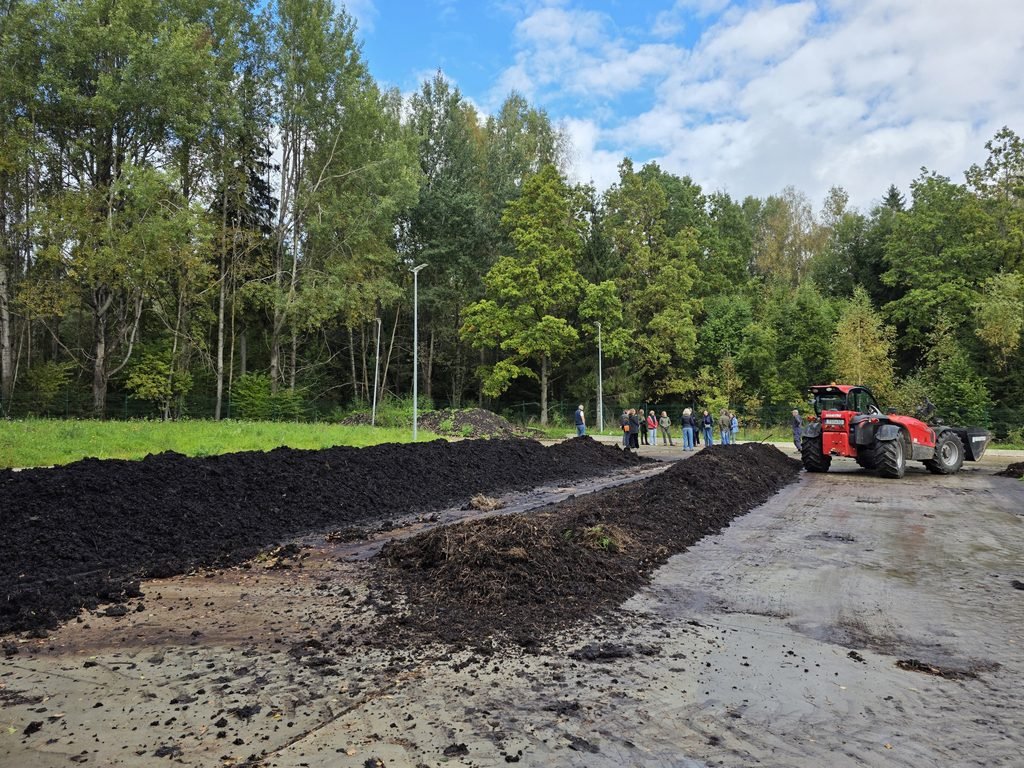
One of these activities is composting. It provides a practical example of how biomass generated through habitat management can be put to further use rather than simply being removed. This approach reflects a broader effort to make use of surplus biomass while maintaining habitats in good condition.
Throughout the visit the Latvian colleagues gained an insight into different aspects of Lithuania’s protected areas – from nature conservation policy and public communication to practical habitat management approaches. The exchange of practical experience was a key focus of the visit. The Latvian specialists had an opportunity to see habitat management measures applied at specific sites in Lithuania, learn how they are implemented, and discuss them with specialists involved in the work.
Such exchanges help strengthen cooperation and provide an opportunity to share practical knowledge and experience – that is an important part of achieving consistent and targeted nature conservation results.